
The evolution of retail design warrants a study of architectural practice in the digital realm. While physical commercial spaces have been the conventional center of shopping experiences, the emergent frontier of the metaverse—an interconnected network of virtual 3D environments—indicates an important shift in brand-consumer interactions. For architects, this liminal space presents a unique canvas, free from the material constraints that have traditionally molded design ideations.

The metaverse is a new terrain where the architecture of imagination may be fully realized, inviting a reconceptualization of retail design possibilities.
For decades, retail design has focused on crafting experiential spaces that draw in consumers, optimize product presentation, and reinforce brand identities. From the carefully composed displays of upscale boutiques to the efficient layouts of supermarkets, every element of the physical retail environment is purposefully designed to influence shoppers' experiences and behaviors.

The retail landscape has witnessed a shift with the disruptive advent of e-commerce, leading to the gradual erosion of traditional brick-and-mortar establishments. The commodification of convenience by online marketplaces has captivated consumer attention, drawing them away from physical retail spaces. While the digital realm's dominance is an indisputable reality, it often obscures the sentimental bonds and serendipitous sense of exploration enabled by physically engaging retail outlets.
Related Article
Tech, Big Data, and the Future of Retail Design
Within this digital realm, the boundaries between the tangible and intangible become fluid, giving rise to immersive environments that challenge conventional notions of retail engagement. The metaverse presents an opportunity to reimagine the very essence of the consumer journey, blending the tactile allure of physical spaces with the boundless possibilities of virtual realms. The metaverse brings an unexplored technosocial phenomenon that may catalyze the revival of traditional physical retail infrastructures.

By holding space for a confluence of virtual and material touchpoints, this medium holds the potential to reconstruct consumer experiences.
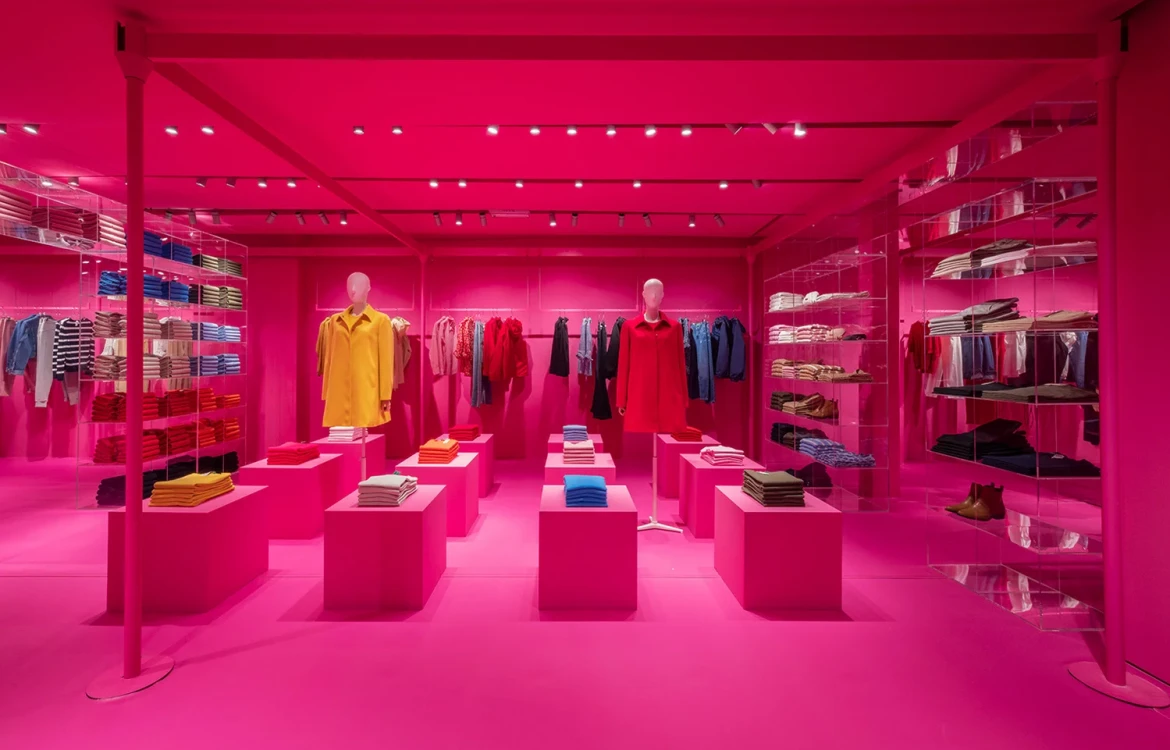
Save this picture!Retail Design in the Metaverse: A New Venture for Architects - Image 5 of 8Mango Teen Store / Masquespacio. Image © Luis Beltran. Image Courtesy of TheArsenale
Samsung has taken a pioneering step by unveiling a virtual replica of their flagship 837 store in New York City within the Decentraland metaverse platform. This initiative underscores how major tech giants are swiftly embracing the metaverse as an innovative commercial frontier. Samsung's virtual 837X store offers an immersive "experiential playground" with multi-zoned attractions and rewards users with exclusive NFTs for completing quests, setting an example for other businesses to follow.

The store's engaging features, such as a resident virtual DJ and raffles for branded avatar accessories, highlight the advantages established brands enjoy in leveraging their resources and brand equity to build a compelling presence within metaverse environments. As an early mover, Samsung's 837X demonstrates how retailers can creatively translate their physical experiences into captivating digital realms.

It's not just technology firms embracing virtual retail spaces, but also iconic fashion brands renowned for their cutting-edge sensibilities. Balenciaga, for instance, made a bold statement by unveiling its collection through an immersive video game experience. Available to fashion enthusiasts at videogame.balenciaga.com, users embark on a journey through a dystopian Balenciaga store setting, ascending to increasingly lush and utopian virtual environments, culminating in a calming breathing exercise. The brand has established a dedicated virtual division "entirely focused on developing products, projects, and experiences designed specifically for the metaverse," signaling a broader strategic shift within the fashion industry towards embracing these emerging digital spaces.
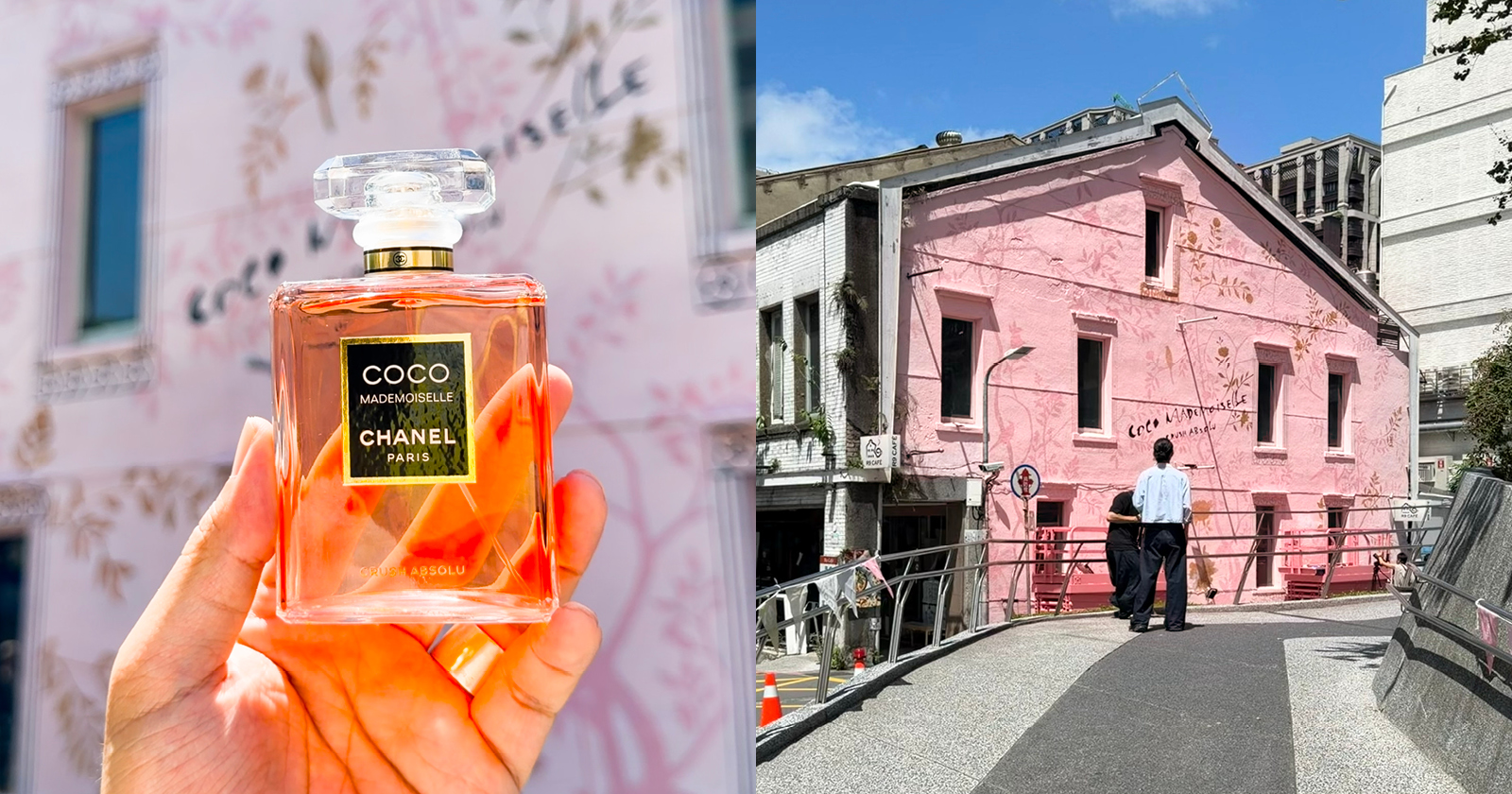
2001 年,傳奇調香師 Jacques Polge 以香奈兒女士俏皮的暱稱「Coco」為起點,創造出明亮而充滿自由氣息的由 COCO MADEMOISELLE 香水;25年後,繼承父親衣缽的香奈兒現任專屬調香師 Olivier Polge 再次思考屬於當代「Coco」的模樣,而他的答案是揭露 Coco

在所有對台北的記憶與感覺裡面,我們今天邂逅的是屬於設計師與廚師的。2026年台北餐廳週以「Design Taipei」為題,邀請4位AGI國際平面設計聯盟設計師,攜手來自19間星級精緻餐飲的創作者,以顏色為引,透過靈感共創,用設計與料理去想像台北,感覺台北,豐富台北。
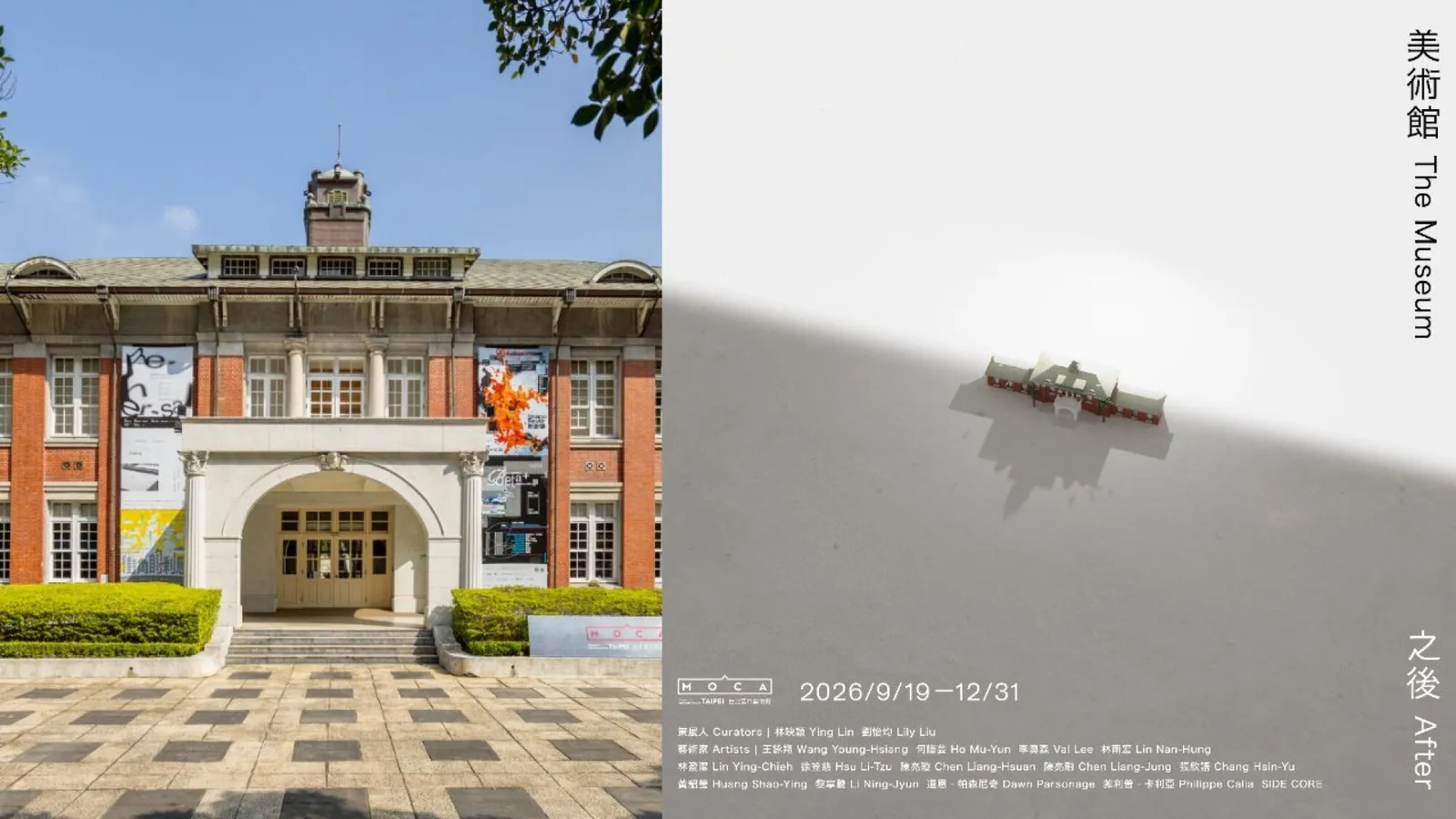
閉館前最後一展!台北當代藝術館《美術館之後》9/19 登場,攜手 14 組藝術家,從幕後勞動、建築記憶到觀看經驗,探索美術館的多重面貌。
